
Mobility Wallets Expand Opportunity and Quality of Life for Low-Income Travelers
Transportation agencies have historically focused on public transit as the solution to the mobility barriers facing low-income travelers. Transit is an essential service for those who do not own automobiles, but studies show it often fails to meet the travel needs of the poor. The Los Angeles (CA) Mobility Wallet Pilot Program is a novel approach to addressing this issue. The program provided low-income recipients with resources to spend flexibly on a variety of shared transportation services. In this study, we draw on interviews with 31 participants before, during, and after the 1-year pilot program to understand the effect of the mobility wallet on their travel behavior and quality of life. The findings are promising: increased travel frequency, decreased material hardship and stress, improved social connections, feelings of independence and autonomy, and improved wellbeing. The results suggest an important role for flexible, demand-side transportation subsidies in meeting the diverse transportation needs of low-income travelers.
When seeking to achieve transportation equity, planners should recognize the value in adopting policies and programs, such as a mobility wallet, that allow travelers to take advantage of a variety of modes to meet their individual and household needs.
To read the full research article, click here.
To read a shorter policy brief, click here.
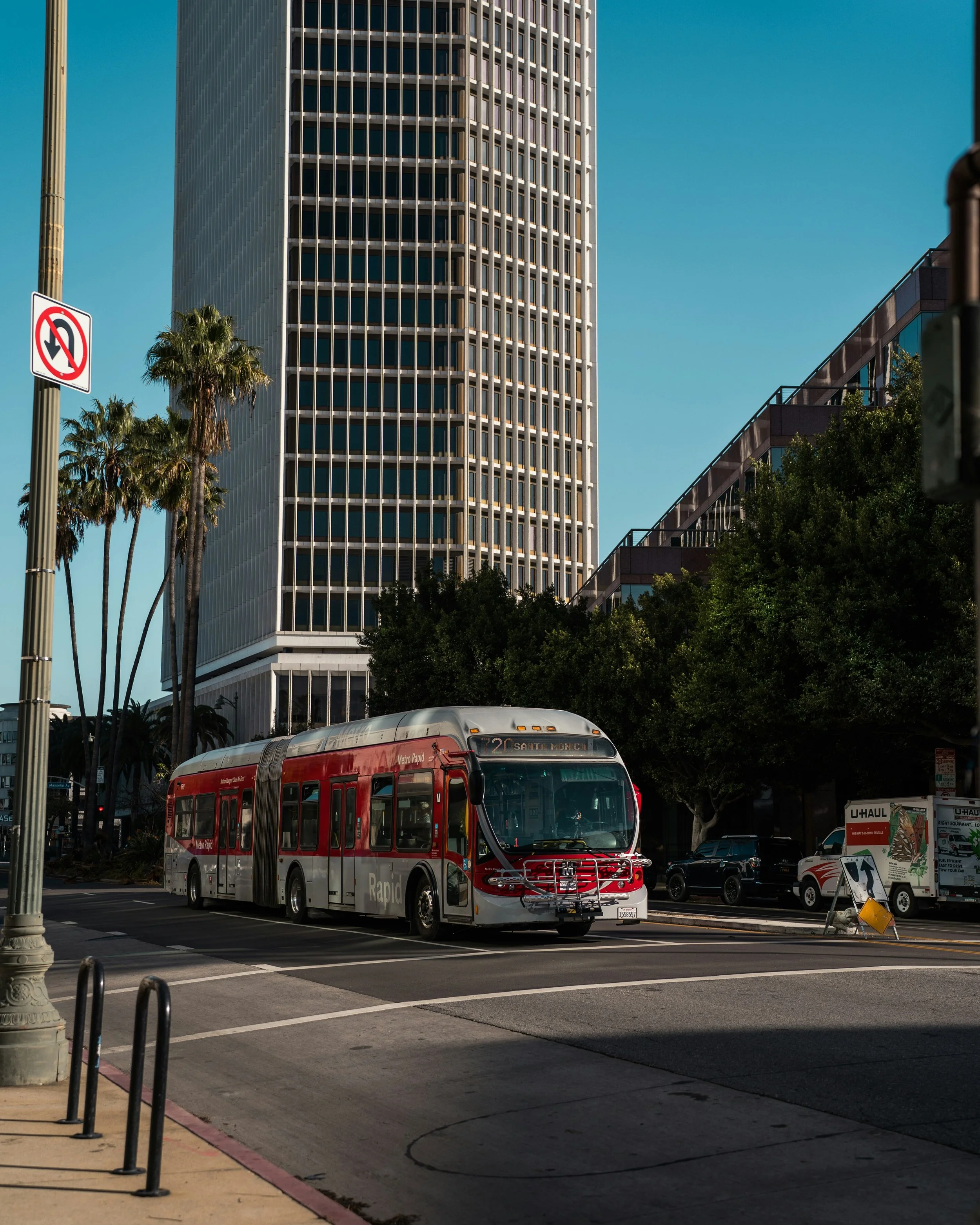
Photo by Sharad Bhat on Unsplash