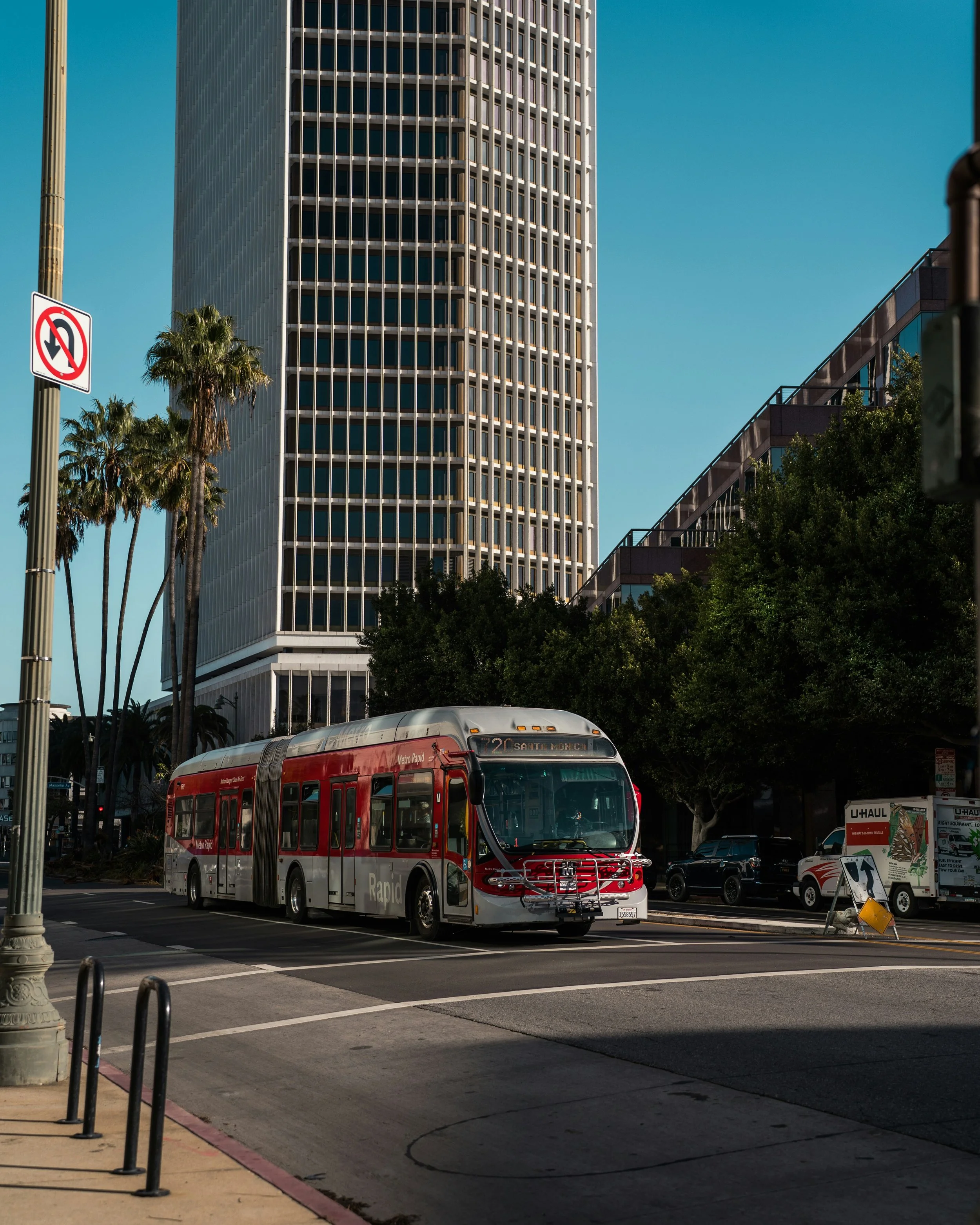
Mobility Wallets Expand Opportunity and Quality of Life for Low-Income Travelers

Transportation agencies have historically focused on public transit as the solution to the mobility barriers facing low-income travelers. Transit is an essential service for those who do not own automobiles, but studies show it often fails to meet the travel needs of the poor. The Los Angeles (CA) Mobility Wallet Pilot Program is a novel approach to addressing this issue. The program provided low-income recipients with resources to spend flexibly on a variety of shared transportation services. In this study, we draw on interviews with 31 participants before, during, and after the 1-year pilot program to understand the effect of the mobility wallet on their travel behavior and quality of life. The findings are promising: increased travel frequency, decreased material hardship and stress, improved social connections, feelings of independence and autonomy, and improved wellbeing. The results suggest an important role for flexible, demand-side transportation subsidies in meeting the diverse transportation needs of low-income travelers.

When seeking to achieve transportation equity, planners should recognize the value in adopting policies and programs, such as a mobility wallet, that allow travelers to take advantage of a variety of modes to meet their individual and household needs.

To read the full research article, click here.

To read a shorter policy brief, click here.
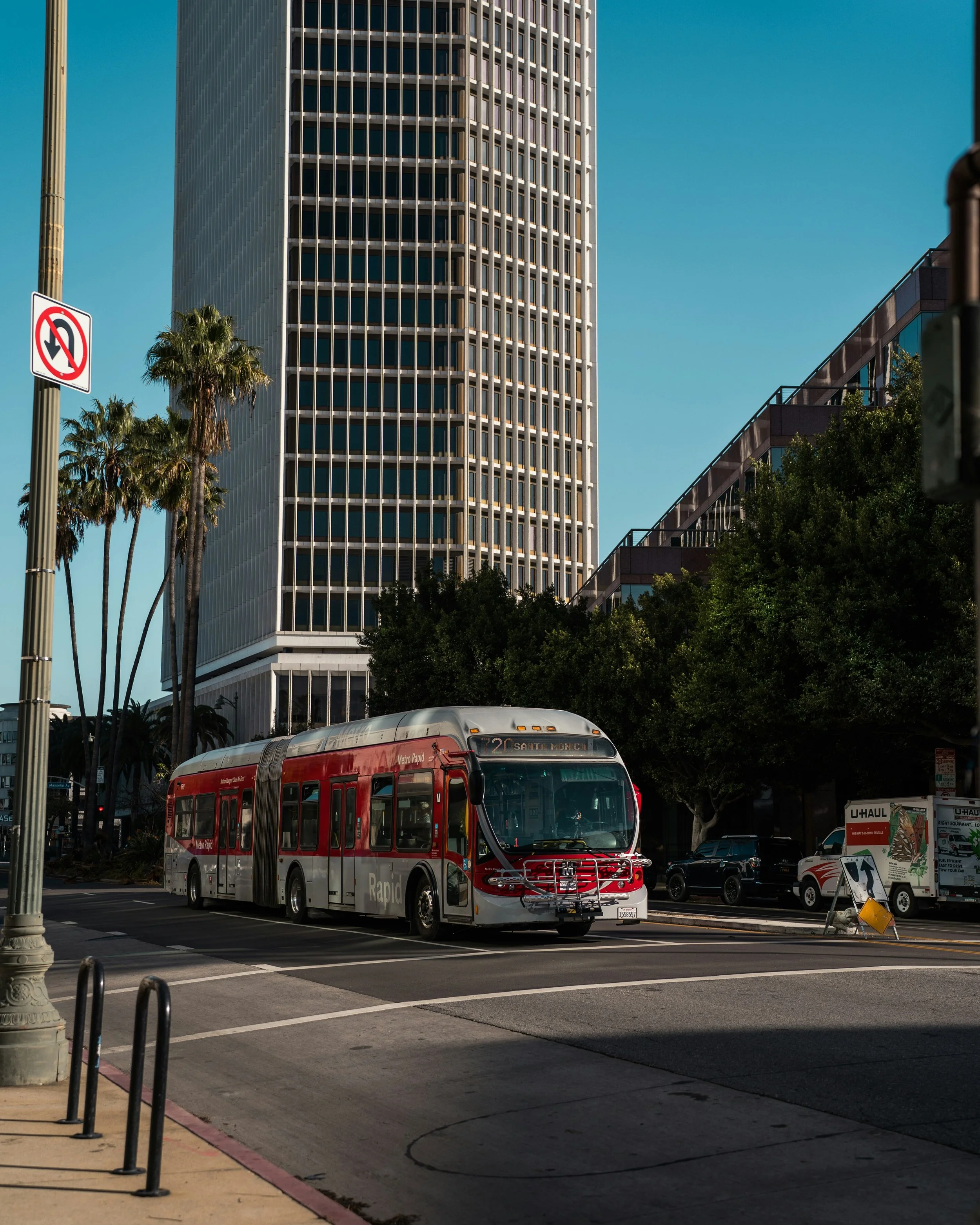
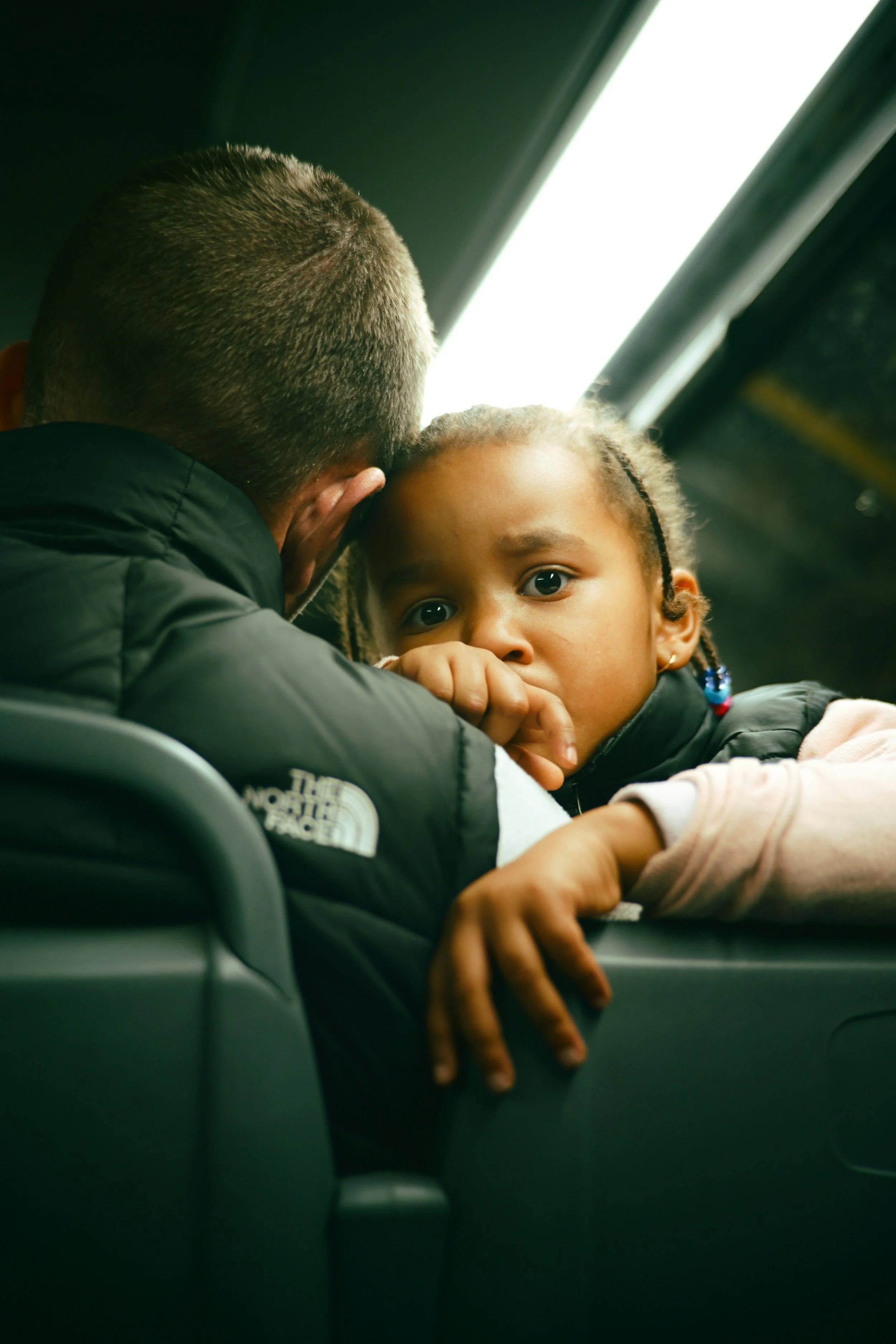
Photo by Sharad Bhat on Unsplash
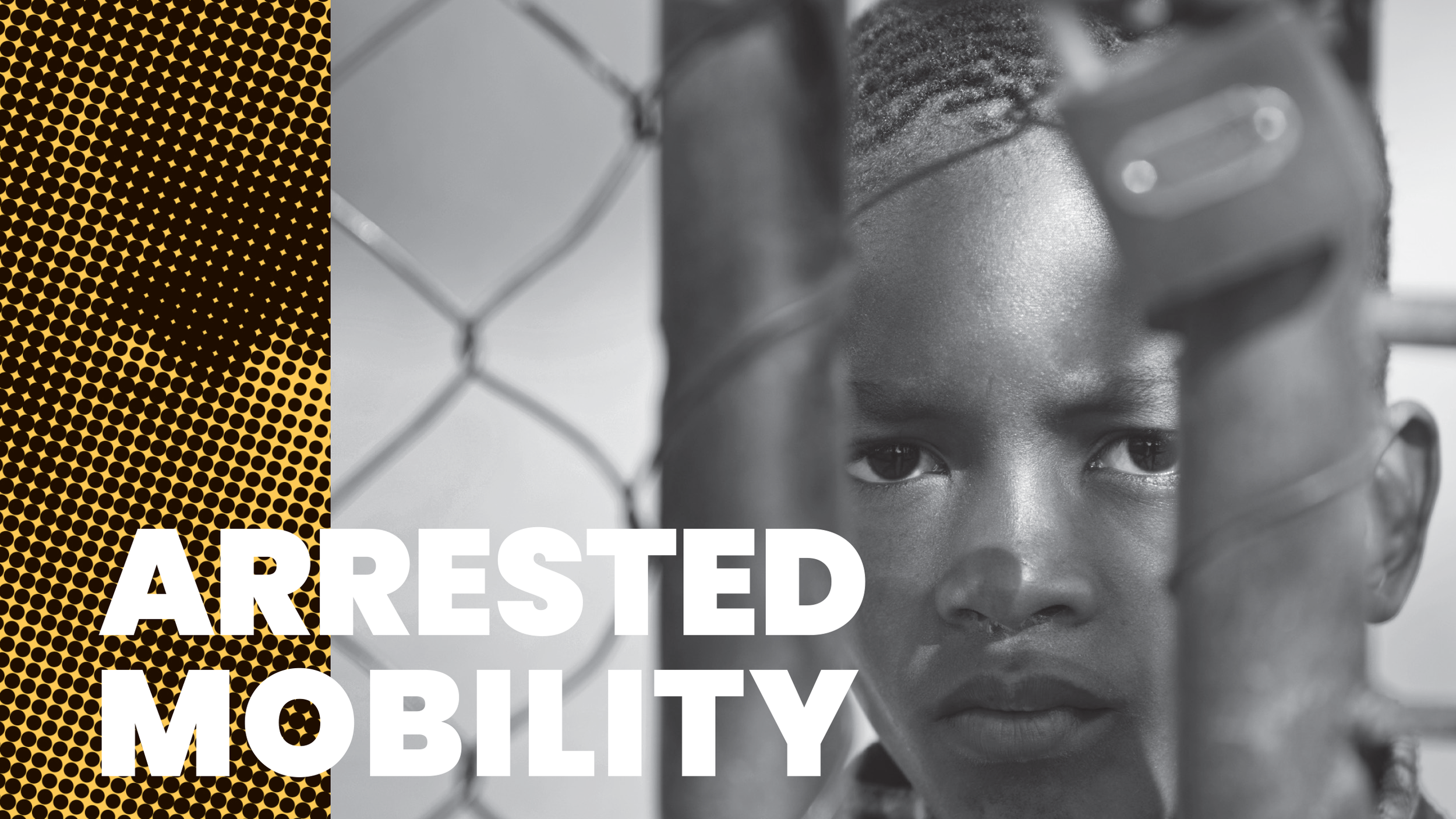
Book Review: Arrested Mobility: Overcoming the Threat to Black Movement

After the murder of Renee Good in Minneapolis (MN) in January 2026, former St. Paul Mayor Melvin Carter said:

Our own biggest opponent is our own weaponized federal government who says put America first, but arrests American citizens.… I recognize Jim Crow…you show me an era where people had to carry papers to keep from getting harassed and arrested by government agents, I’ll show you an era of profound human rights abuses.… That’s un-American. (WCCO, 2026)

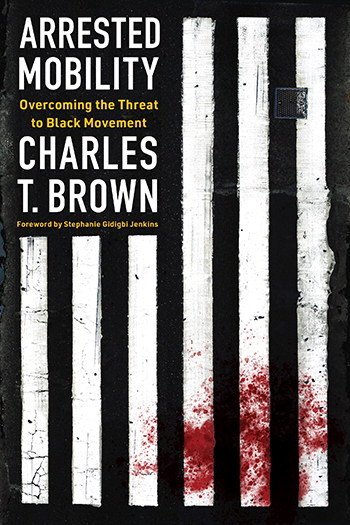
Hearing this searing sermon from Carter reminded me of Charles T. Brown’s (2025) book, Arrested Mobility: Overcoming the Threat to Black Movement. As I looked back to the cover of Brown’s book detailing Black mobility and the way it is policed in the United States, I could not help but see the white stripes stained in blood against the black background morphing from cell bars to the stripes of an American flag. Carter implored his fellow Americans to understand that people being herded, disappeared, and murdered across the country is not who we are as a nation. Yet, throughoutArrested MobilityBrown makes it clear that government actors, including urban planners, have made arresting the mobility of Black people an enduring part of America.

Over five chapters, Brown interweaves his personal story, interview excerpts from Black Americans, and statistics that elucidate arrested mobility: “The intentional and incomplete access to all means of movement in public and sometimes private spaces by way of deliberate overpolicing, which…made us less safe and limited social mobility” (p. 7).

To read the full book review, click here.

Transportation challenges of low-income households with children: A case study in south Los Angeles

Low-income households commonly lack access to quality and affordable transportation options, impeding their access to opportunities. Low-income households with children face additional challenges. We draw on data from thirty-nine in-depth interviews to examine the effect of children on the travel behavior and experience of low-income adults. We find that low-income households with children experience increased financial and temporal burdens related to travel. These unique and complex challenges result in fewer socioeconomic opportunities and financial resources and reduced time for non-travel activities. The findings underscore the importance of programs and policies to develop a multimodal, affordable transportation safety net.

We drew on interview data from thirty-nine low-income adults selected to participate in the Los Angeles Mobility Wallet pilot program in South Los Angeles before they received any funding. We used thematic analysis to examine the travel patterns and challenges of low-income households with and without children and across differing levels of automobile access. We investigated how being low-income and having children affects the travel behavior and decision-making of caregivers. The interviews confirmed that the presence of children in the household complicates the travel behavior of caregivers and, in so doing, compounds the barriers that they face as low-income travelers living in high-poverty neighborhoods. This complex travel has significant implications for mobility, accessibility, and other life outcomes. Despite having constrained financial resources, low-income travelers with caregiving responsibilities have difficulty relying on public transit or other shared modes, ultimately concluding that a more expensive personal vehicle is often an unavoidable necessity. Transportation planners and policymakers must better understand the challenges faced by low-income households with children to provide equitable mobility and accessibility options. Specifically, the findings from our study suggest the need for affordable, multimodal transportation that addresses the diverse travel needs of low-income adults with children.

To read the full research article, click here.

To read a shorter policy brief, click here.

Reconnecting Communities: Recommendations for Caltrans Excess Land

What changes to policies and procedures at the California Department of Transportation (Caltrans) would increase transfers of agency-owned excess land to California Native American Tribes and groups negatively impacted by freeway development? Using case studies on LandBack and reparations and qualitative research with Caltrans staff and community advisory groups, the research team developed recommendations for Caltrans’ excess land process, community performance measures, an overview of relevant policies, and examples of land return around the state.

To read the full research report, click here.

Beyond Transit Discounts: Comparing the L.A. Mobility Wallet and Low-Income Fare is Easy (LIFE) Programs

Transportation affordability is a major concern for low-income people and households across the United States. While car ownership rates remain relatively high, the associated costs — insurance, gas, and repairs can place a significant financial burden on low-income households. Even for those who own a vehicle, these costs can limit how often they use it. As a result, in Los Angeles, many low-income residents rely heavily on public transit or active transportation options. In fact, 69% of Metro bus riders report annual household incomes below $25,000.2 Despite this, there is no federal mandate to financially support the mobility needs of low-income people — besides fare discounts for seniors and individuals with disabilities.

To read the full policy brief, click here.

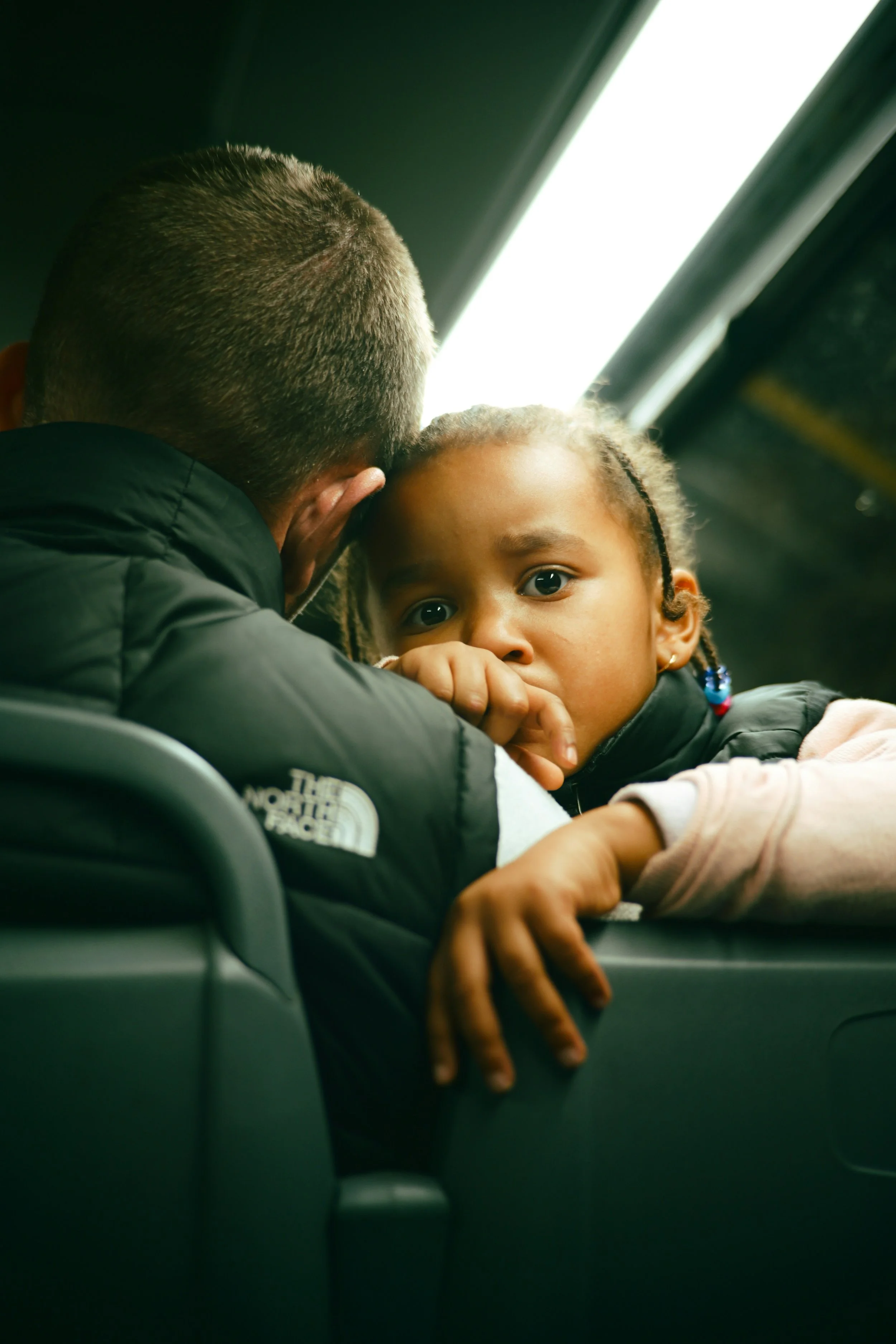
Photo by Lauren Kan on Unsplash


Early Results on Individual Life Outcomes from the L.A. Mobility Wallet Phase I Pilot Program

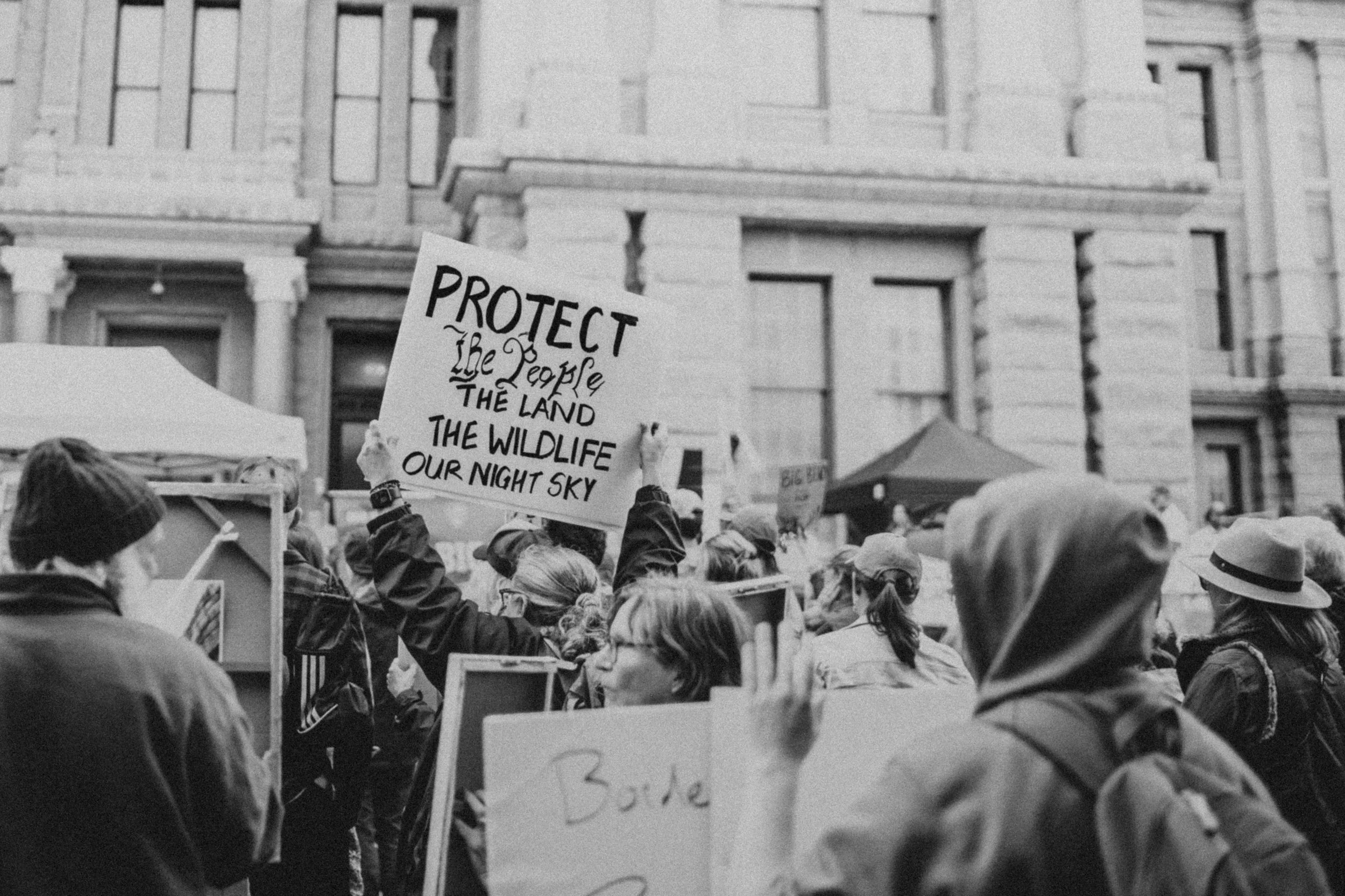
Photo by Yunming Wang on Unsplash

Universal basic mobility is a growing transportation concept rooted in the belief that everyone should be able to travel to the places they need — and want — to go in ways that best suit their lives and households. Reliable transportation access is essential to quality of life, yet barriers remain, especially for low-income people of color. Compared to higher-income white travelers, they often struggle to afford transportation costs and so are less likely to own cars and more likely to rely on public transit.

To read the full brief, click here.

Reports

tamika has been an author of several reports, download them all here.

ReportTamika Butler
Things Aren’t Black and White

A lot has been happening at Stanford Law School. There have been calls to fire administrators. That’s not the Stanford Law School I know and love. That’s not the type of just society my mentors at Stanford taught me to advocate for during my three years there. I hope it’s not the Stanford Law School that now exists. I hope it’s not the unjust society that now exists.

I shared my thoughts here

Picking Up the Pieces

It's been awhile since I posted here. But it's been a tough few days. We lost Angela Lansbury and beyond that a lot has been happening in LA. For our city. For my family. Got a few mins? I shared my thoughts here.

OpinionTamika Butler
Last Year, the Bike Industry Promised Inclusivity. But Advocacy Allies Still Don't Get It

As we passed the anniversary of George Floyd’s death, I couldn’t help but wonder if Black Lives still matter to people who bike and the bicycle industry. Last year, I saw all sectors of our cycling world splash social media with images of Floyd’s face, black boxes, and hashtags, as they desperately tried to pander to my beautiful Black existence.

These companies, clubs, and advocates pledged to change their normal course of business, be more inclusive, and center the experiences of Black people who bike. As I as saw these promises stacking up, I wondered what would happen in the bicycling world.

In October, not quite a half year since Floyd’s death, the first hints of a change in bicycling came as the summer’s pandemic-induced bicycling boom continued to grow. Bicycle advocates saw a moment to make their work more impactful and help new converts to bicycling understand the importance of advocacy for safe streets. What remained unclear is whether this shift would center race.

Within this context of change and uncertainty Bicycling published an article titled “How Bike Advocates Are Eyeing Safer Streets for All.” The article’s headline indicated that this moment in history caused bike advocates to change and start focusing on seeking traffic solutions that did not involve police.

To read the full essay visit Bicycling Magazine

Four Years Later, I Still Can’t Breathe Deeply

November 8, 2016

Donald Trump was elected by our electoral college system. Many people will mark that as a day in history when everything changed. My wife and I got the alerts on our phones that he was likely to win as we were walking to the celebration party for the brand-new Senator Kamala Harris. We were so excited about voting for her, her campaign, and her political future and we somehow lost all of that as it begun to sink in that Trump won. Despite telling anyone who would listen that I was sure he would win, it still hurt. It didn’t surprise me that white people chose whiteness over reason and, in many cases, their own self-interest, but it still hurt. At the time, I struggled with the anger and fear of knowing that it was a historic day when things would change — but also a day where so much would stay the same. I remember talking to my white wife as she panicked through tears and lamented this state- and voter-sanctioned acceptance of white supremacy and racism at a level never before seen in this country.

I did not shed a tear; I just calmly added an addendum to those thoughts of despair: never before seen or believed or accepted — by white people and people who treasured their proximity to whiteness and power more than listening to the Black people, Muslim people, people with disabilities, queer people, immigrants, women, and other oppressed groups of people who have been living our whole lives knowing all too well what this country is built upon.

I went to bed that night struggling to fully catch my breath. I knew the next four years would be full of anxiety, tense anticipation of what could come next, and unfiltered hate. I wanted to do my breathing exercises, calm down, and be wrong about it all. But I knew I wasn’t. I will never forget the panic attack I had that night — like many nights since — I just could not breathe.

Read the rest on Medium

Tamika Butler
Beyond a Momentary Movement
20200614_171509.jpg

This is the moment we hoped wasn’t coming. This is the moment we knew was coming. This is the moment that never really left.

For months I’ve been present on panel after webinar after phone call after socially distanced hangout with people optimistically asking if this time it was different. Breonna is trending and on the cover of a magazine. George Floyd’s face and name are etched into the thoughts and prayers of everyone you know.

Your favorite company and your least favorite company have both released statements saying they care for their Black employees, they care for the Black community, are hiring a new diversity Black, and that they care about Black Lives. Shit, we even have a Blasian woman reppin a Divine Nine sorority trailblazing a path to the White House.

Many people wanted to believe this time was different. Many people wanted to believe we reached a tipping point. I have had countless Black colleagues exclaim that FINALLY, white people had seen what it is to be Black in this country.

Did they? Did it matter?

I’ll tell you what I think on Medium

 
Why We Must Talk About Race: 14 Stories from Black People Who Love Bikes
wall-blackvoices-smalls1-1594830194.jpg

I previously shared my short essay written for Bicycling Magazine titled: “Why We Must Talk About Race When We Talk About Bikes: Systemic Racism Can’t Be Fixed Without Tackling It Within Cycling.” After sharing the article on social media, I was harassed by many readers who told me that racism has no place in bicycling. The comments and hate sent my way were nothing new. Talking about racism in transportation has personally impacted me in many ways from lost jobs, to threats, to many tears from people telling me I’m racist or mean for wanting to talk about such “distracting” issues.

But I and many others, including leadership at Bicycling magazine, refused to be bullied. The article, which was shared broadly, also generated many positive comments. Many people reached out to me to share that they had never thought about racism in the context of bicycling.

Knowing that so many people who reached out wanted to know more, hear more, and see more beautiful black joyful folks on bikes, I served as the guest editor of this month’s issue of Bicycling. I was raised by Black women who always taught me that part of my joy, liberation, and success will always be tied to how I treat and share my blessings with others. In that practice, I’m happy to share this issue with so many incredibly important Black stories from brilliant Black people—some you’ve heard of and many more you may not have heard of, but should know. There was a long list of more people I wanted to include and there are more stories to share. There is more to come. I remain committed to sharing my platform whenever I have the chance. I hope you read these important pieces, talk about them, and do something. The time to act is now.

The reality is that, if you weren’t thinking about racism before, that was a choice you were making. I invite you to make the choice to think about racism and anti-Blackness in all you do. What are you doing to fight racism and anti-Blackness? What are you doing to make sure that you are no longer a bystander in the important work of dismantling racism, colonialism, and white supremacy? What are you doing to push yourself, our policies, our decision-makers, and our institutions to atone for past harm and move towards action and true systemic change?

I’m confident that you will find this issue inspiring. I’m excited for you to see it in print, but until then check out all of the impactful stories here.

 
EqualityTamika Butler
9 Ideas for Making Our City’s Public Space More Race Equitable
lat.jpg

Erin Kerrison, a scholar in the school of social welfare at UC Berkeley, noted in the Sacramento Bee how the default setting for public space is frequently white. “They imagine what is theirs, their streets, their grocery stores, their sidewalks, and what they claim is theirs against a Black threat.”

So how to build a city that is more equitable? One in which public space can be accessed by African Americans without threat or fear? The Times spoke with nine architects, planners and advocates for their ideas.


Read the rest of the Los Angeles Times story by Carolina A. Miranda here.

 
EquityTamika Butler
Now, It’s Time for Me to Find and Amplify My Own Voice
toole+departure.jpg

“Tamika has helped us take important steps on the journey to a more just society and company,” said Jennifer Toole, President of Toole Design. “She leaves us better equipped to address the profound inequities in our society that the pandemic and Black Lives Matter movement have exposed in recent months. She has helped shape the culture of Toole Design through company-wide training, numerous projects across the U.S. and Canada focused on equity, extensive writing and public speaking, and countless one-on-one conversations with staff. Throughout, she has worked with staff and our Diversity, Equity, and Inclusion (DEI) Task Force to increase our capacity and ability to continue this work.”

Nat Gale, Toole Design’s Los Angeles office director, praised Tamika’s “immeasurably wide and incredibly deep influence on planning in California,” during her time at Toole Design. “From consulting on statewide efforts to unify transit payments to honing a nuanced understanding of micro-mobility policy for municipal strategic plans,” Gale continued, “her influence will span from planning through implementation. Planning is the first step towards system and culture change, and her impact will be felt for years to come.”

Reflecting on her time with the company, Tamika noted that “we’ve seen the company step up to become a national leader on DEI issues, we’ve seen changes in internal training and practices, and I know from my many conversations across the firm, that there has been deep personal reflection and change on the individual level.  Beyond that, I’ve been honored to be an integral part in growing our Los Angeles office and expanding our CA planning practice. I’ve enjoyed using the Toole Design megaphone. Now, it’s time for me to find and amplify my own voice.”

In a message to Toole Design staff, Jennifer Toole closed by saying “Tamika, you have improved our understanding of the roles we can play as a company and as individuals to tackle racism in all its forms. We wish you the best.  We will be out there doing this work with you, and cheering you on.”

If you wish to contact Tamika, you can visit www.tamikabutler.com.

Tamika Butler
Why We Must Talk About Race When We Talk About Bikes: SYSTEMIC RACISM CAN’T BE FIXED WITHOUT TACKLING IT WITHIN CYCLING.
Tamika_099.JPG

As a Black person in this country, I could never have talked about bikes without also talking about race. That hasn’t changed. As the world is being ravaged by not one, but two deadly diseases—the coronavirus and anti-Black racism—that are taking Black lives and making it nearly impossible for my people to breathe, the racial inequities I was compelled to speak on then are still present. To truly make transformational change for all people who bike, we must go beyond a “Bike Month” or an occasional unity ride. We also must get beyond the narrative that only people who (too often self-righteously) make a lifestyle decision to bike are worthy of our targeted marketing campaigns, advocacy, and celebration. We must get past a strategy that assumes cisgender white maleness as the norm. We must get past an ethos of exclusion. Once we can get past these things as a bicycle community, we can finally celebrate what bicycling should truly be about—the power to be free and move freely.

I carried this opinion into every room, every speech, and every action I took as the Executive Director of LACBC. This made me unpopular with some members of the bike coalition, some board members, and some people outside of LA who complained that I was not talking enough about bikes. This made me the target of a racist LA City Council candidate and his supporters. These supporters believed they could look past his being outed as harboring racist and transphobic views if he could get them a bike lane. To them, their white lives mattered more than anyone else’s.

Talking about things like gender, queerness, race, and white supremacy scares people. It makes them uncomfortable. Their resulting defensiveness makes them question your intelligence. Especially if being anti-racist means giving up their bike lane. Unfortunately, it rarely makes these same people dig deep and push beyond those questions towards understanding, compassion, being anti-racist, and confronting their own need to change. Because of that, I became used to the hate I received in various venues and formats.

See the rest published by Bicycling Magazine here

Tamika Butler
Silence is No Longer Acceptable
49943077043_8ff87d7d2b_w.jpg

Silence is no longer acceptable.

This morning, our country is waking up to images that are being described by some as thugs looting and setting things on fire. That is not what we see. We see streets and public spaces being claimed and used for and by people who have suffered for too long under systems of systemic racism and white supremacy. We see an uprising. We see calls for action. We see people who simply cannot stand by silently wishing for peace when they are all too aware of the absence of justice.

Awareness is no longer enough.

Simply being aware of the insidious ways that racism pervades every aspect of our society—including transportation—and saying that equity is important in the work can no longer move us forward. We can no longer ignore that when black people claim public space they are described as a threat, but other people are described as simply exhibiting their rights. We can no longer ignore that everyone living in this country is inhabiting stolen land that was looted and built up for free by enslaved labor. This is the context of our work and ignoring it means that we cannot create the transportation systems and public spaces that are truly for all people.

It is not the responsibility of black people, indigenous people, or people of color to fix this problem.

At Toole Design, we stand with the communities across the nation who are grieving, angry, and exhausted due to the murders of Ahmaud Arbery, Breonna Taylor, George Floyd, Tony McDade, and the far too long list of black people killed by police. It is especially heartbreaking that police violence against Black and brown communities continues unabated while those communities are suffering disproportionately from COVID-19. We also know that many people of color, particularly women of color, have been fighting to change our industry for the better. They do this with patience, compassion, and empathy and as a service to the rest of us—but it should not be their job alone. We must listen, we must elevate voices, we must change.

Read the rest here

Tamika Butler
Stop Killing Us: A Real Life Nightmare
outraged.PNG

I started writing something, because that’s what I do. But this time healing through words didn’t work. In fact, it hasn’t in a while. This time I just couldn’t do it. Nothing was coming.

I’m just so tired. Every single time I sat down the same thing kept coming out: Stop Killing Us.

I’ve been on texts and calls with black friends all day and it’s been the same. We’re scared. For our families. For ourselves. For our people. We’re exhausted. For our families. For ourselves. For our people.

We can’t stop thinking about this and move on like nothing has happened or just go on with our regular daily tasks. Some folks are talking and posting about this nonstop — and honestly, I don’t want to see people posting their run on social media or going on and on about bird watching and how a birdwatcher would clearly be an okay black person (I’m actually an avid birdwatcher and a pretty great person though), or resharing videos reaffirming the entertainment value of black death. I also don’t want people just playing the part they think they should play by day and being Becky or Karen by night. It feels like everyone wants to tweet or post something because it’s becoming part of some performance or show where people play the part of outraged bystander or virtuous savior or blue checkmark clout-chaser.

What I want is for people to actually start being about what they say they about.

Read the rest on Medium

Tamika Butler